
Buried deep within Windows 8 is the trusty command prompt window, where you can enter command-line commands to get really "geeky" with your computer. Unfortunately, with each new version of Windows it seems that the command prompt window is buried deeper and deeper. Never fear, though; it is still there and once you know where you look for it, you'll be able to call it up quicker than ever before.
If are using Windows on a desktop computer, the easiest way to display the command prompt window is to press Win+X. Windows displays what looks like a Context menu at the lower-left corner of the screen. Note that there are two commands on the menu related to the command prompt:
Click on the version of the command prompt you want and utilize the window to your heart's content. When you are done you can close the window and get back to the lovely world of Windows. (See Figure 1.)
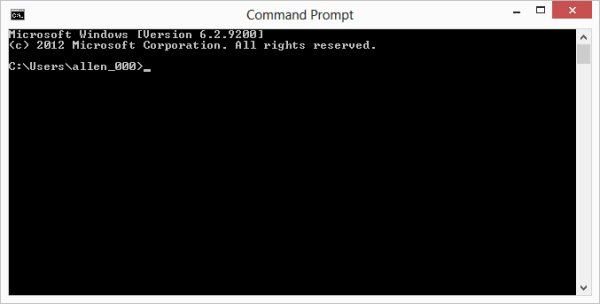
Figure 1. The command prompt window looks very geeky and slightly techno-retro.
If you are using a touch-screen device, then chances are good you don't have a keyboard. In that case, you'll want to follow these steps to display a command prompt window:
 This tip (12717) applies to Windows 8.
Regular expressions are usually the domain of computer programmers. There are times, though, when an end-user might find ...
Discover MoreThe MOVE command can be a timesaver over trying to do the similar sort of thing with File Explorer. You can move hundreds ...
Discover MoreIf you have Wi-Fi connection problems, Windows 10 can provide a report to help diagnose possible issues. Using Command ...
Discover MoreThere are currently no comments for this tip. (Be the first to leave your comment—just use the simple form above!)
Copyright © 2026 Sharon Parq Associates, Inc.

Comments